A wallet for cryptocurrency displays the balance in USDT as 1,000. The display shows a basic figure of around 1,000 dollars in digital format. The balance is a fascinating question. What makes the tokens worth about $1 each?
A stablecoin account is distinct from a typical bank balance. It is a digital token that are issued by a separate financial agreement. To understand the stabilization arrangement one must look beyond the cryptocurrency prices, and examine issues like reserve, issuer technology, blockchain technology and the redemption.
The Blockchain only shows tokens not the whole financial picture.
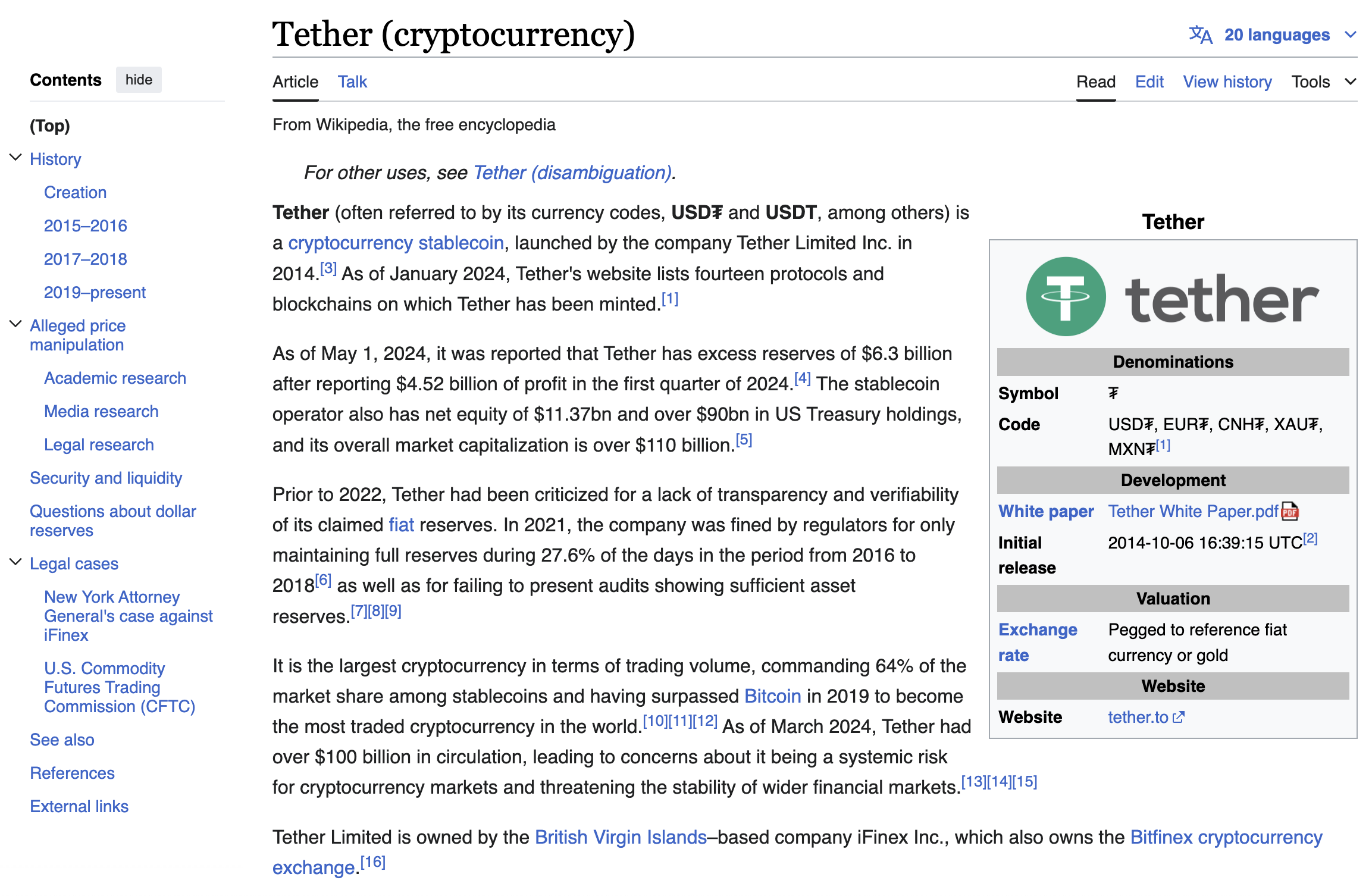
The USDT stablecoin is made to be used in a way that keeps its value close to the U.S. Dollar. Tether releases tokens that are protected by reserves. Blockchain records cannot determine the composition or financial condition of these reserves.
A public ledger could reflect balances and token transfer and balances, in addition to certain contract activities. It’s generally not able to independently verify assets held in banks or other traditional financial instruments.
This distinction becomes crucial in checking the transparency of stabilitycoins. A reliable reserve evaluation considers the disclosures of the issuer, the types of assets reported, their liquidity, and the type of independent confirmation.
Ethereum Indicates Token Activity
On Ethereum, USDT operates through an ERC-20 smart contract. The contract keeps track of token balances and tracks transfers according to its rules that it programmed. Because of Ethereum being a blockchain that is public, users are able to see the history of transactions and the contract’s activities using block explorers compatible with Ethereum.
This transparency allows to study how tokens travel between addresses. The ability to see transactions does not reveal the identity of the wallet or the motive behind the transfer.
Ethereum also supports decentralized financial applications that use stablecoins for trading, lending, and other activities. These applications pose additional risk, including smart contract vulnerabilities and liquidity issues.
Why Stablecoins can trade above or below one dollar
USDT maintains the dollar peg, but its exchange rate is decided according to the market’s activity. In normal trading, USDT can be exchanged at rates that are a bit higher or lower than a dollar.
Demand for liquidity in the market, available liquidity exchange conditions, demand for liquidity, and confidence in redemption arrangements are able to be the cause of these variations.
If you are qualified and have access to the redemption options of the issuer, you can assist in the peg’s support by exchanging tokens in the currency that is used to make the exchange, provided that there are no limitations or charges.
However the reality is that not every retail owner has direct redemption access. Most users purchase and sell USDT through cryptocurrency exchanges which are based on market liquidity. This means that a stablecoin’s potential value is linked to its actual prices for trading however they’re not the same.
The Issuer Holds Powerful Powers
The most popular misconception is the belief that any asset that is part of a decentralized chain should also be decentralized. Ethereum is maintained by a distributed system, however USDT is issued by a centralized entity.
Its issuer is in charge of key aspects of token redemption and issuance and has a number of functionalities within the token contracts that are supported by.
Tether is a good example. It can also block certain addresses in specific circumstances. These features differentiate centrally-issued stablecoins from cryptocurrency that have no similar issuer. Understanding this structure can aid users in understanding the fact that blockchain decentralization isn’t an assurance against the risk of issuers.
Independent research helps distinguish factual information from claims
A reliable crypto-wiki should be able to distinguish between blockchain transactions that are publicly verified and financial disclosures from issuers and conclusions supported by independent evidence.
The past also matters. Tether was subject to scrutiny by regulators in relation to earlier representations regarding reserve funds that included a 2021 settlement with the U.S. Commodity Futures Trading Commission. This is a reason the reason why transparency, accountability, and stablecoins are important research subjects.
TetherWiki is an independent encyclopedia which covers USDT and stablecoins generally Blockchain networks as well as cryptocurrency trading platforms as well as regulatory developments. The site is not associated with Tether Limited, making it an educational tool to those who are interested in the stablecoin community.
Understanding USDT means understanding more than its price
Stablecoins comprise different systems: Blockchain technology, tokens, financial reserves and trading markets.
Each system tackles a specific concern regarding the operation of an asset. Ethereum gives insight into the transactions using tokens. Reserve disclosures give information about the claims of backing. Exchanges show market prices and liquidities.
The information in these sources is not sufficient to tell the complete story. If you are interested in researching USDT the best approach is to look at the technology and financial structure of the. It might seem easy to state that a token equals one dollar, but in order to fully understand the reasoning driving the value, you need to go beyond checking your wallet.